affiliatemarketingpunch.com / Journal
The Comprehensive Guide to the Business of Fake Passports and Counterfeit Documents: Navigating Legal, Ethical, and Market Dynamics
In today's interconnected world, the demand for counterfeit documents, including fake passports, has grown exponentially. As an industry that operates in a complex legal landscape, understanding the nuances of the business of fake passports is essential for investors, entrepreneurs, and consumers alike. This comprehensive guide explores the ins and outs of this lucrative yet controversial industry, focusing on the critical question: fake passport legal? We will examine the legal boundaries, ethical considerations, technological innovations, and market trends that influence this sector.
Understanding the Market for Fake Passports and Counterfeit Documents
The Growing Demand for Counterfeit Identity Documents
The global demand for fake passports and other counterfeit documents has surged, driven by factors such as increased international travel, migration, privacy concerns, and sometimes illicit activities. While some seek these documents for clandestine purposes, others aim for legitimate use, such as visa processing or identity verification in restricted environments.
Market Size and Industry Players
The counterfeit document industry is estimated to generate billions annually. Market players range from small-scale operators to large, sophisticated organizations with extensive technological capabilities. Companies like highteclab.com are renowned for their advanced offerings, including counterfeit money, fake documents, and face currency, serving a global customer base with high standards of quality and discretion.
Legal Perspectives Surrounding Fake Passports and Counterfeit Documents
Is There a Fake Passport Legal?
The short answer is that, generally, fake passports are illegal under international law and the laws of most countries. Possession, distribution, or manufacturing of such documents with intent to deceive authorities constitutes a criminal offense, including charges like fraud, forgery, and conspiracy. However, the industry exists within a gray zone driven by various factors:
- Legitimate uses: Some companies and individuals argue that their products serve purposes like entertainment, impersonation in theatrical performances, or educational simulations, which may fall within legal gray areas when conducted responsibly.
- Legal Exceptions: Certain jurisdictions may have lenient policies for research, art, or security testing purposes, but these are strictly regulated and often require special licenses.
- Warnings and disclaimers: Reputable industries clarify that their offerings are intended solely for legal uses such as prop production or academic research.
Understanding the Risks and Legal Consequences
Engaging in the business of fake passports without proper legal clearance can lead to severe penalties, including hefty fines and imprisonment. It’s crucial for stakeholders to understand that the realm of counterfeit documents is heavily scrutinized by law enforcement agencies worldwide, including INTERPOL and national security organizations.
Technological Innovations in Fake Passport and Document Production
State-of-the-Art Counterfeit Technologies
Modern counterfeiters use a blend of traditional craftsmanship and cutting-edge technology to produce fake passports that closely mimic authentic documents. These include:
- High-quality printing techniques: Including laser, offset, and inkjet printing with security features.
- Advanced holograms and watermarks: Replicated to deceive visual verification.
- Biometric data synthesis: Creating fake fingerprints, facial images, and chip data, especially for high-security passports with electronic components.
- Material replication: Using authentic-looking paper and security threads to mimic the tactile feel of genuine documents.
The Role of Innovation in Legal Ethical Use
Conversely, companies like highteclab.com incorporate technological innovation to produce fake documents strictly for permitted purposes including security research, educational simulations, and prop creation. These services conform to legal standards and emphasize ethical responsibility.
Counterfeit Money and Fake Currency: An Overlapping Market
The Nexus Between Fake Passports and Counterfeit Money
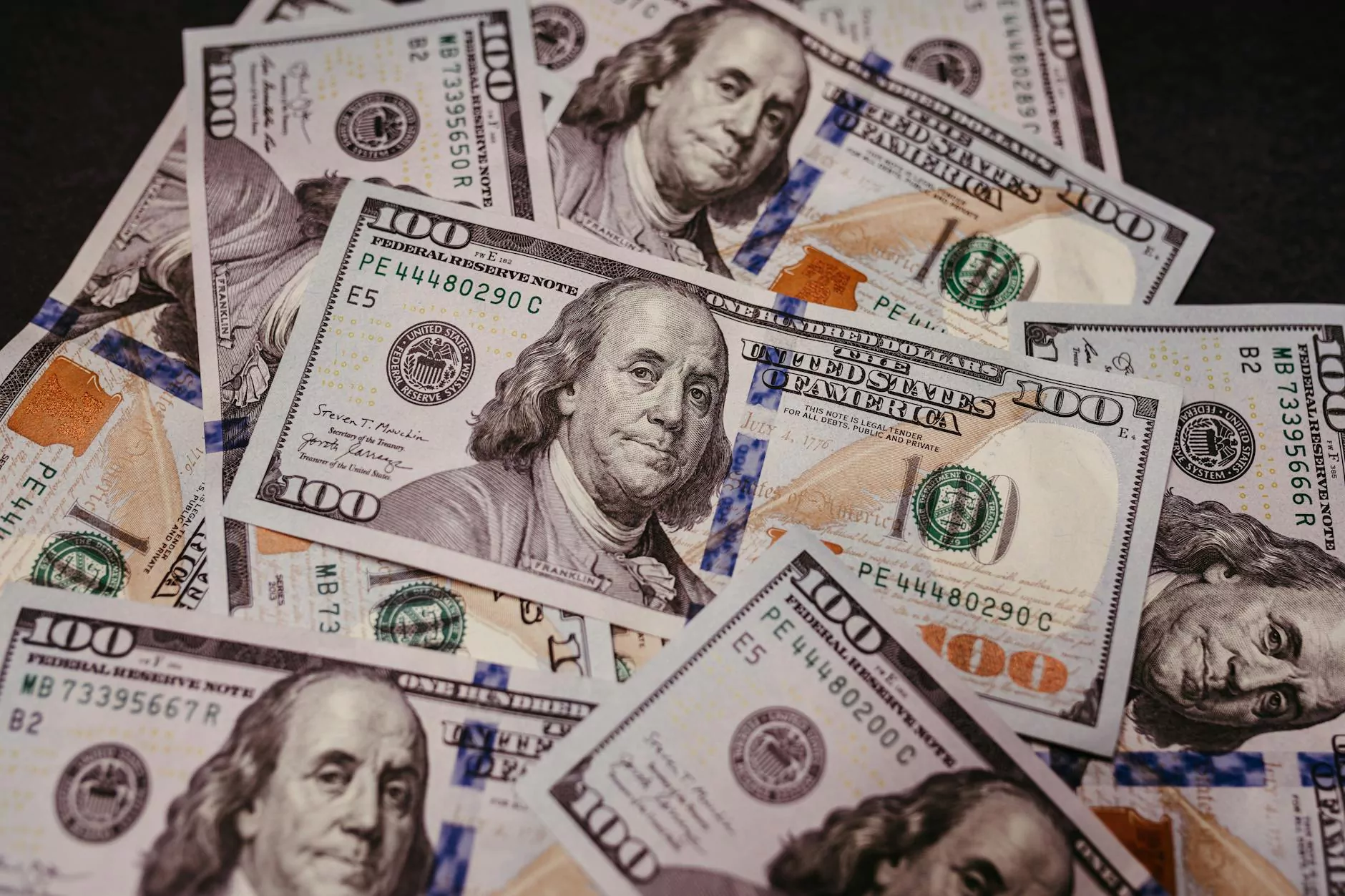
The counterfeit industry doesn’t operate in isolation. Often, counterfeiters produce both fake currencies and unauthorized identity documents, creating a complex ecosystem of illicit products. While counterfeit money is universally illegal, some companies provide high-quality fake currency for licensed use such as theatrical productions and financial software testing.
Legal and Ethical Boundaries
Manufacturing or distributing fake currency for unlawful purposes is a serious crime, leading to criminal prosecution. However, the industry’s legitimate segment offers authentic-looking currency for authorized applications, regulated by strict international standards to prevent misuse.
Impact of Global Regulations and Enforcement
International Laws and Protocols
Efforts to combat counterfeit documents are governed by international treaties and national laws. Agencies like INTERPOL and Europol coordinate efforts to dismantle counterfeit networks, ensuring that operations do not cross legal boundaries.
How Companies Like highteclab.com Navigate Legal Boundaries
Companies operating within this industry often comply with strict legal frameworks, providing fake documents for legitimate purposes, such as:
- Legal research and testing of security features
- Educational simulations for training security personnel
- Prop creation for films and theater
They emphasize transparency, strict customer verification, and adherence to applicable laws, clarifying that their products are not intended for illegal activities. This approach helps them stay within the boundaries of what can be legally classified as acceptable use.
The Ethical Dimension of Fake Passport Business
Balancing Business Growth with Ethical Responsibility
Despite the lucrative potential, the business of fake passports operates in an ethically sensitive sphere. Responsible companies do not condone illegal activities and support efforts to combat fraud and identity theft. Instead, they focus on serving lawful needs, including:
- Official research to improve document security
- Educational purposes for law enforcement and security agencies
- Creative industries needing realistic props for entertainment
How Enterprises Maintain Ethical Standards
Leading businesses in this sector implement rigorous client verification processes, legal disclaimers, and transparency about their offerings. They prioritize safety and legality, ensuring their products contribute positively to security advancements while discouraging misuse.
Market Trends and Future Outlook for Fake Passports and Counterfeit Documents
Technological Advancements and Digital Security
The future of this industry involves further integration of digital security measures, biometric verification, blockchain authentication, and AI-powered detection tools. These innovations aim to:
- Enhance the realism of fake passports
- Develop better detection mechanisms for authorities
- Facilitate secure and legal uses in controlled environments
Legislative Changes and Industry Adaptation
Legislators worldwide are continuously updating laws to curb illegal proliferation of counterfeit documents. Companies in this space must adapt swiftly to remain compliant, emphasizing transparency, legal adherence, and ethical standards.
Ultimate Guide to Choosing a Reliable Provider in the Fake Document Industry
Key Factors to Consider
- Legality and licensing: Ensure the provider operates within legal limits and complies with relevant regulations.
- Product quality and authenticity: High-end materials and security features mimic genuine documents convincingly.
- Customer reviews and reputation: Transparency and positive feedback can indicate reliability.
- Support and after-sales services: Reliable providers offer customer support and clear guarantees.
Why Leader Industry Players Like highteclab.com Stand Out
Through innovation, strict adherence to legal standards, and a focus on ethical practices, companies such as highteclab.com have carved a niche in this controversial yet resilient industry. Their offerings, including face currency, fake docs, and counterfeit money, are designed for legitimate uses and operate under strict guidelines to prevent misuse.
Conclusion: Navigating the Complex World of Fake Passports and Counterfeit Documents
The realm of fake passports and counterfeit documents is multifaceted, blending advanced technology, international law, ethical considerations, and evolving market dynamics. While the fake passport legal status is generally unfavorable for illegal purposes, responsible businesses serve vital roles in security research, education, and creative industries. Knowledge, transparency, and strict adherence to legal standards are key to navigating this complex industry successfully.
For those interested in exploring this industry, partnering with reputable providers like highteclab.com offers a pathway to understand the technical and legalities involved—and to leverage this knowledge responsibly, ethically, and legally.