affiliatemarketingpunch.com / Journal
Comprehensive Insights into Laparoscopic Bilateral Oophorectomy: Expert Guidance by Leading Obstetricians & Gynecologists
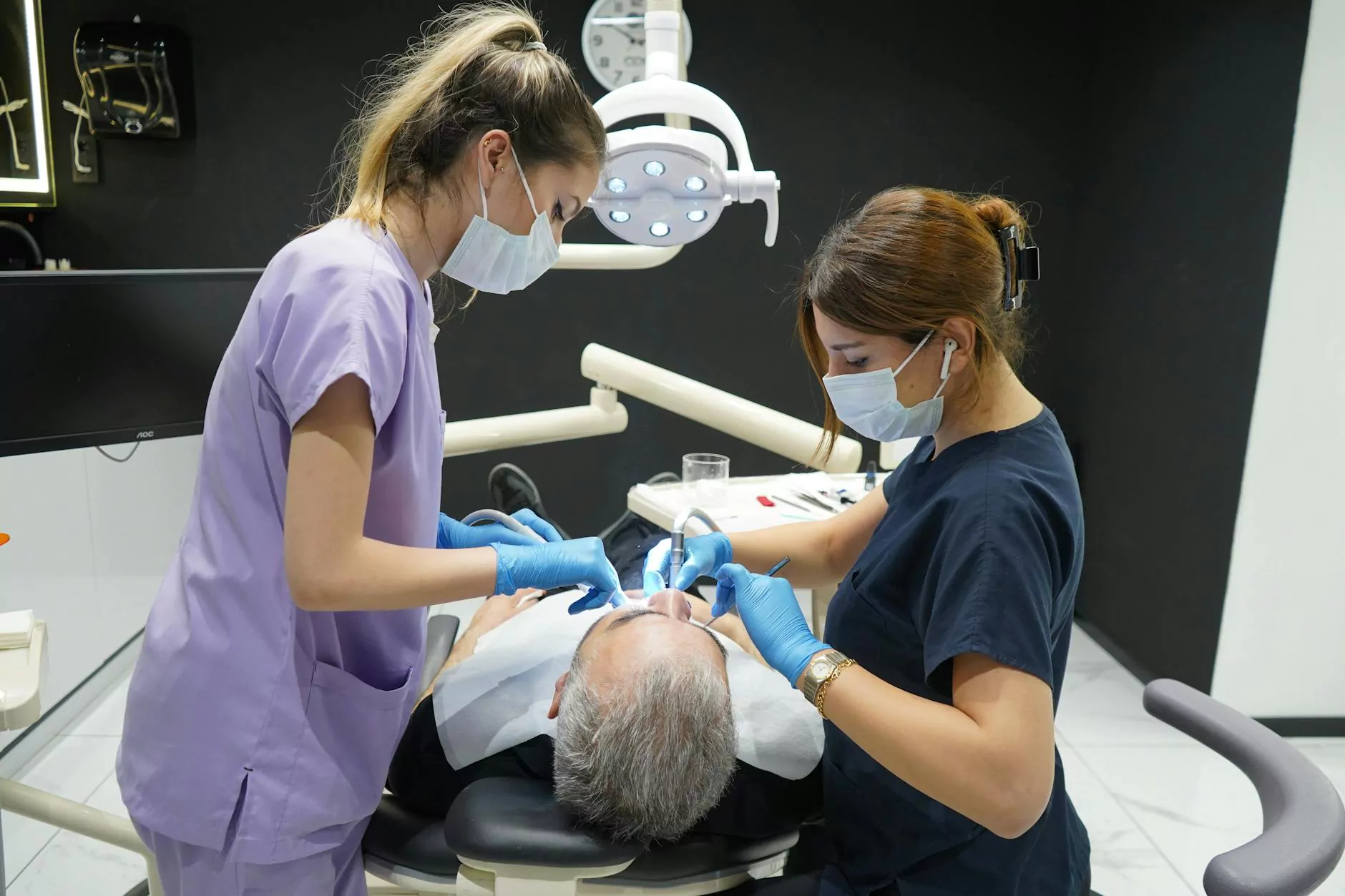
In the realm of women's health and medical advancements, laparoscopic bilateral oophorectomy stands out as a minimally invasive surgical procedure that offers significant benefits for various gynecological conditions. Performed by skilled obstetricians and gynecologists at reputable clinics like drseckin.com, this procedure exemplifies the integration of modern technology and expert medical care to improve women's quality of life.
What is Laparoscopic Bilateral Oophorectomy?
Laparoscopic bilateral oophorectomy is a surgical intervention where both ovaries are removed through small incisions using a laparoscope— a thin, lighted tube equipped with a camera. This technique is distinguished by its minimally invasive nature, enabling surgeons to perform precise removal with minimal trauma compared to traditional open surgeries.
The Anatomy and Role of Ovaries in Female Health
The ovaries are vital reproductive organs responsible for hormone production— predominantly estrogen and progesterone— as well as the maturation of eggs essential for fertility. They also help regulate menstrual cycles and maintain hormonal balance, which influences numerous bodily functions beyond reproduction.
When health issues such as ovarian cysts, cancer, or other gynecological conditions arise, the removal of ovaries (oophorectomy) may become necessary to safeguard overall health and manage symptoms effectively.
Indications for Laparoscopic Bilateral Oophorectomy
This procedure is generally indicated in several scenarios, including:
- Ovarian Cancer: As a preventive or therapeutic measure.
- Ovarian Cysts and Tumors: When cysts are large, persistent, or suspicious for malignancy.
- Endometriosis: Severe cases where ovarian tissue is extensively affected.
- Risk Reduction in BRCA Mutations: Prophylactic removal to lower ovarian and breast cancer risk.
- Other Gynecological Pathologies: Including benign conditions unresponsive to conservative treatments.
Advantages of Laparoscopic Approach over Traditional Surgery
The transition from open surgery to laparoscopy has revolutionized gynecological procedures. Key benefits include:
- Reduced Postoperative Pain: Smaller incisions cause less discomfort.
- Shorter Hospital Stay: Many patients are discharged within a day or two.
- Quicker Recovery: Patients typically resume normal activities faster.
- Minimal Scarring: Tiny incisions leave smaller, less noticeable scars.
- Enhanced Precision: High-definition visualization allows for meticulous tissue handling.
The Procedure of Laparoscopic Bilateral Oophorectomy
Performed under general anesthesia, the laparoscopic bilateral oophorectomy involves several carefully planned steps:
- Preparation: The patient is thoroughly evaluated, and anesthesia is administered.
- Creating Access: Small incisions, typically three to five centimeters, are made in the abdominal area to insert the laparoscope and surgical instruments.
- Visualization and Inspection: The surgeon inspects the pelvic cavity and identifies the ovaries and surrounding structures.
- Ovary Removal: Using specialized instruments, each ovary is carefully dissected and detached from supporting tissues such as the ligaments and blood vessels.
- Extraction: The ovaries are placed in a retrieval bag and removed through one of the incisions.
- Closure and Recovery: Incisions are closed with sutures or surgical staples, and the patient transitions to recovery, monitored for complications.
Throughout the procedure, surgeons utilize high-definition cameras and advanced surgical tools to enhance precision and safety.
Risks and Considerations in Laparoscopic Bilateral Oophorectomy
While generally safe, laparoscopic bilateral oophorectomy carries potential risks, including:
- Bleeding: Due to blood vessel injury.
- Infection: At the incision sites or within the pelvic cavity.
- Damage to Adjacent Organs: Such as the bladder or intestines, though rare with experienced surgeons.
- Hormonal Changes: Leading to menopausal symptoms if both ovaries are removed, especially in premenopausal women.
- Anesthesia Risks: Common but manageable complications related to anesthesia administration.
Selection of appropriate candidates and preoperative assessment by expert gynecologists help in minimizing these risks significantly.
Postoperative Care and Recovery
The postoperative period following a laparoscopic bilateral oophorectomy generally involves:
- Pain Management: Mild to moderate discomfort, controlled with analgesics.
- Activity Restrictions: Limiting strenuous activities for a few days to promote healing.
- Monitoring: Watching for signs of infection or bleeding, such as fever or unusual discharge.
- Follow-up: Regular check-ups with your gynecologist for healing assessment and addressing concerns.
Most women return to their normal routines within a week, depending on individual health and the complexity of the surgery.
Long-Term Implications and Hormonal Considerations
Removing both ovaries induces immediate menopause, regardless of age, due to the abrupt decline in estrogen and progesterone. This transition can lead to symptoms like hot flashes, vaginal dryness, mood swings, and increased risk for osteoporosis and cardiovascular disease.
To mitigate these effects, healthcare providers often recommend hormone replacement therapy (HRT), tailored to individual health profiles and preferences. Discussing these options with a trusted obstetrician and gynecologist at drseckin.com is crucial.
Choosing the Right Specialist for Your Laparoscopic Bilateral Oophorectomy
Because of the procedure's complexity and importance, selecting a highly experienced and accredited obstetrician and gynecologist is vital. Leading clinics like drseckin.com employ top specialists with comprehensive training in minimally invasive gynecological surgeries, ensuring the highest standard of care, safety, and patient satisfaction.
Why Trust Dr. Seckin and His Medical Team?
Dr. Seckin and his dedicated team are renowned for their expertise in advanced gynecological procedures, particularly laparoscopic surgeries. Their commitment to patient-centered care, cutting-edge technology, and thorough preoperative and postoperative support makes them a trusted choice for women seeking laparoscopic bilateral oophorectomy.
Empowering Women with Knowledge and Confidence
Understanding the nuances of laparoscopic bilateral oophorectomy empowers women to make informed healthcare decisions. With advances in surgical techniques, recovery processes, and hormonal management, women can approach this procedure with confidence, knowing they are in expert hands and that optimal health outcomes are achievable.
Conclusion: Embracing Modern Gynecological Care
In today’s medical landscape, laparoscopic bilateral oophorectomy exemplifies the strides made in minimally invasive technology and women's health. Whether performed to treat pathology or as a preventive measure, this procedure offers benefits of reduced discomfort, faster recovery, and improved quality of life. Trusting qualified and experienced specialists ensures safety and successful outcomes.
For personalized consultation and expert guidance on this life-changing procedure, visit drseckin.com. Your journey toward optimal gynecological health begins by partnering with dedicated medical professionals committed to excellence.